



Chris Hemsworth
Co Founder - Head of Roofing Operations
Your roof works hard to protect your home — but even the strongest materials wear down over time. Knowing when it’s time for a replacement can save you from costly repairs and unexpected damage. Here are five key warning signs you shouldn’t ignore:
The Purpose Behind Due Diligence
Our due diligence process isn’t about scrutiny — it’s about clarity. We aim to understand your business fundamentals, growth potential, and the team driving it. From your financials to your market traction, every detail helps us ensure our support aligns with your vision.
1. Missing or Damaged Shingles
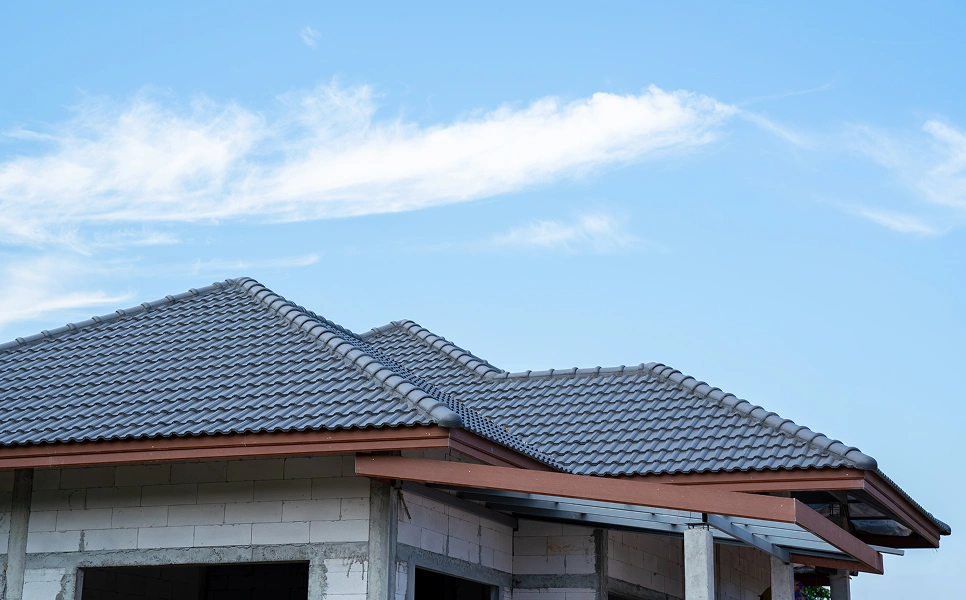
Shingles are designed to protect your home from moisture and UV rays. When they start to curl, crack, or fall off, the integrity of your entire roof is compromised. You might notice pieces of shingles in your gutters or on the ground after a storm. While a few damaged shingles can often be repaired, widespread damage usually signals that the roof’s lifespan is nearing its end.
1. Collaboration Over Inspection
Our approach is collaborative — we believe founders should feel supported, not audited. We maintain open communication throughout the process, offering feedback and guidance to strengthen your position before investment.
2. Leaks and Water Damage
Water stains on your ceilings or walls are often the first sign of a leaking roof. Even small leaks can allow moisture to seep into your attic and insulation, causing mold, mildew, and rot. Over time, water damage can weaken the roof’s structure and impact the safety of your home.
3. Sagging Roof Structure
A sagging or uneven roofline is one of the most serious signs of roof failure. This could be caused by long-term water damage, poor installation, or excessive weight from snow and debris. A sagging roof is not just a cosmetic issue — it indicates a potential structural problem that needs immediate attention.
4. Growth of Mold, Moss, or Algae
While moss and algae may seem harmless, they retain moisture that can eat away at shingles and underlying materials. Over time, this can cause leaks and shorten the lifespan of your roof. Mold growth inside your attic is an even bigger red flag, as it can affect your indoor air quality and indicate trapped moisture beneath the roof surface.
“Don’t wait for leaks to remind you — roofs need care before repair.”
Warren Buffett
Age of the Roof
Even if your roof looks fine, age can be a deciding factor. Most asphalt shingle roofs last between 15 and 25 years, while metal or tile roofs can last much longer. If your roof is approaching or has surpassed its expected lifespan, replacement may be the best long-term investment to ensure safety and energy efficiency.